
AI for Small Businesses: Practical Guide, Use Cases & Tools
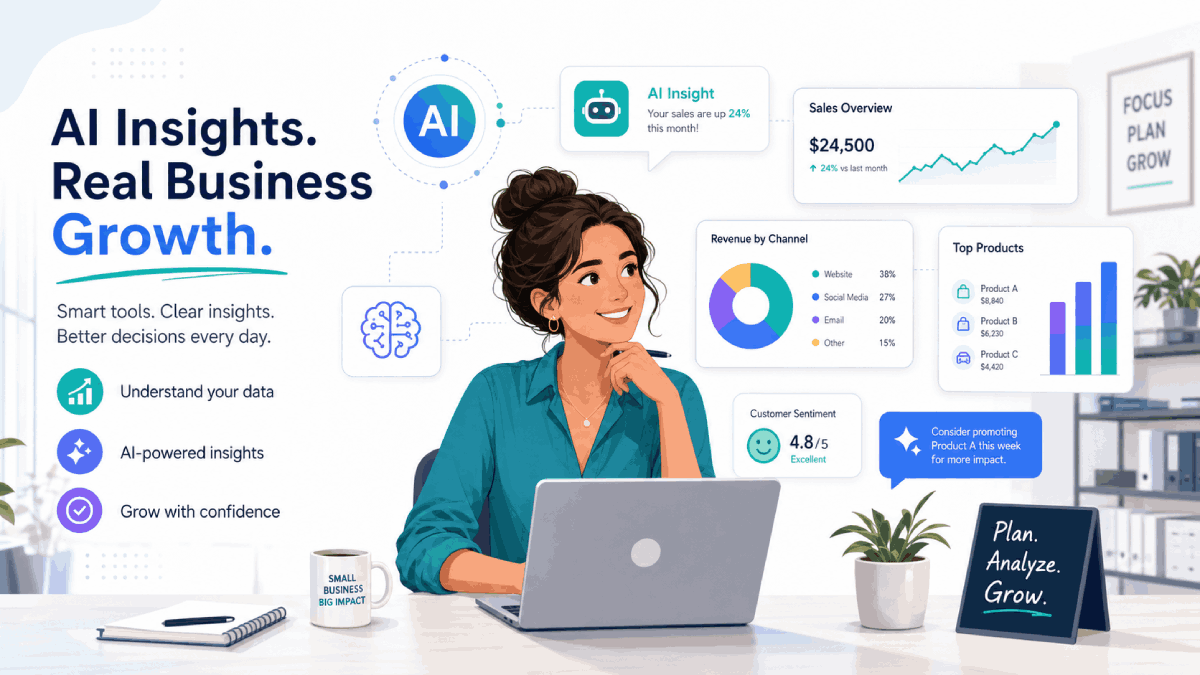
Künstliche Intelligenz is no longer just for big enterprises with huge budgets. Today, small businesses can plug simple AI tools into the systems they already use to save time, improve customer experience, and make better decisions.
This guide walks through what AI really means for small businesses, a quick readiness checklist, practical use cases across marketing, sales, support and operations, and a simple roadmap for getting started without taking big risks.
Was KI Wirklich Für Kleine Unternehmen Bedeutet

When people hear “AI”, they often picture complex robots or fully automated companies. In reality, most small businesses use AI in much simpler ways: tools that help draft content, answer routine customer questions, extract information from documents, or highlight useful patterns in existing data.
Instead of replacing your team, modern AI tools act like smart assistants that plug into email, chat, CRM, spreadsheets, and other everyday apps. The goal is not to “become an AI company”; it is to remove manual work from the processes that already generate value for your business.
Sind Sie bereit für KI? Schnelle Checkliste
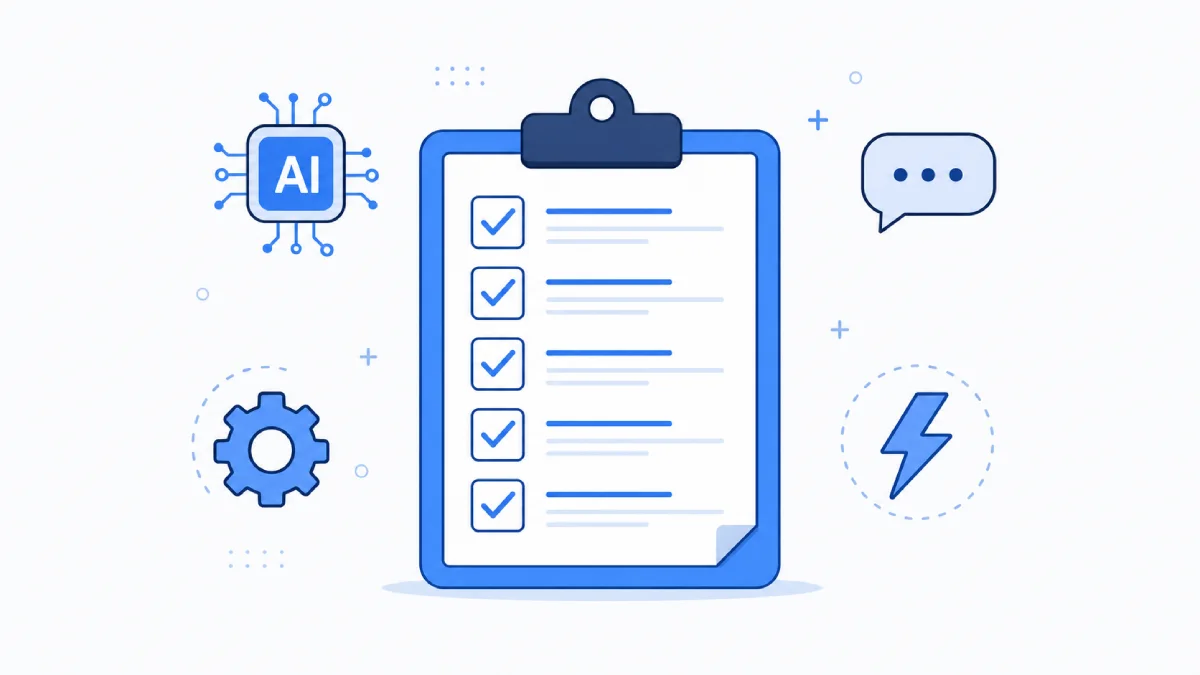
AI works best in businesses that already have some basic digital foundations in place. Use this quick checklist to see if you are ready to test AI on a small scale.
- Digitale Daten: You already use tools like email, spreadsheets, CRM, accounting, or booking systems.
- Wiederholbare Prozesse: Sie haben Aufgaben, die jeden Tag oder jede Woche auf die gleiche Weise erledigt werden.
- Klare Schmerzpunkte: You can point to specific activities that are time‑consuming, boring, or error‑prone.
- Grundlegend security Bewusstsein: Your team understands what information is sensitive and should not be copied into external tools.
- Offenheit für Veränderungen: Sie sind bereit, neue Arbeitsabläufe zu testen und das Team in neuen Tools zu schulen.
If you can confidently tick at least three of these boxes, you are in a good position to start experimenting with AI on low‑risk, high‑impact tasks like content drafts, customer FAQs, or basic reporting.
Praktische KI-Anwendungsfälle für kleine Unternehmen
The easiest way to think about AI for small businesses is by use case, not by specific tools. Below are practical examples you can apply in day‑to‑day operations, with plenty of room to grow over time.
1. Marketing & Content Creation
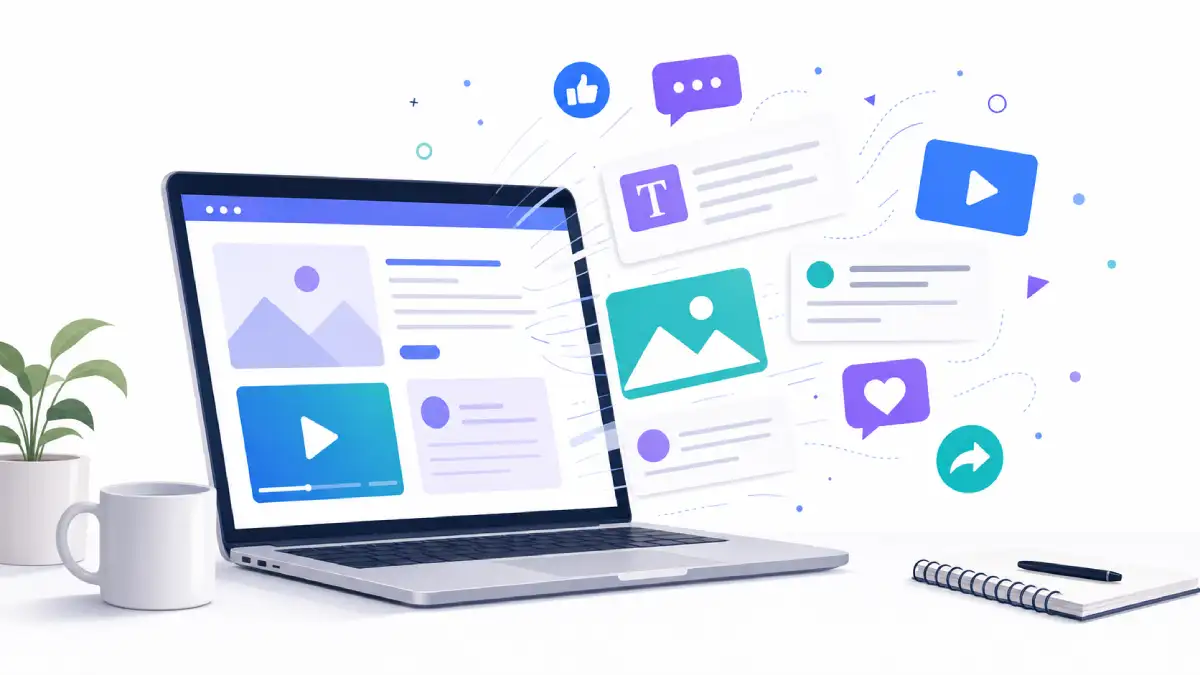
AI writing and design tools help small teams produce consistent marketing content without needing a full‑time copywriter or designer. You still provide the ideas and approve the final version, but the heavy lifting is handled for you.
- Draft blog posts, product descriptions, newsletters, and social posts from simple prompts.
- Erstellen Sie in Minuten mehrere Anzeigenvariationen für Such-, Social- oder Display-Kampagnen.
- Wandeln Sie langformatige Inhalte (wie ein Webinar oder podcast) in kürzere Ausschnitte, Beiträge und E-Mail-Sequenzen um.
- Generieren Sie einfache Visuals oder Bildkonzepte zur Unterstützung von Kampagnen, ohne eine komplette Designagentur zu beauftragen.
2. Sales & Lead Generation
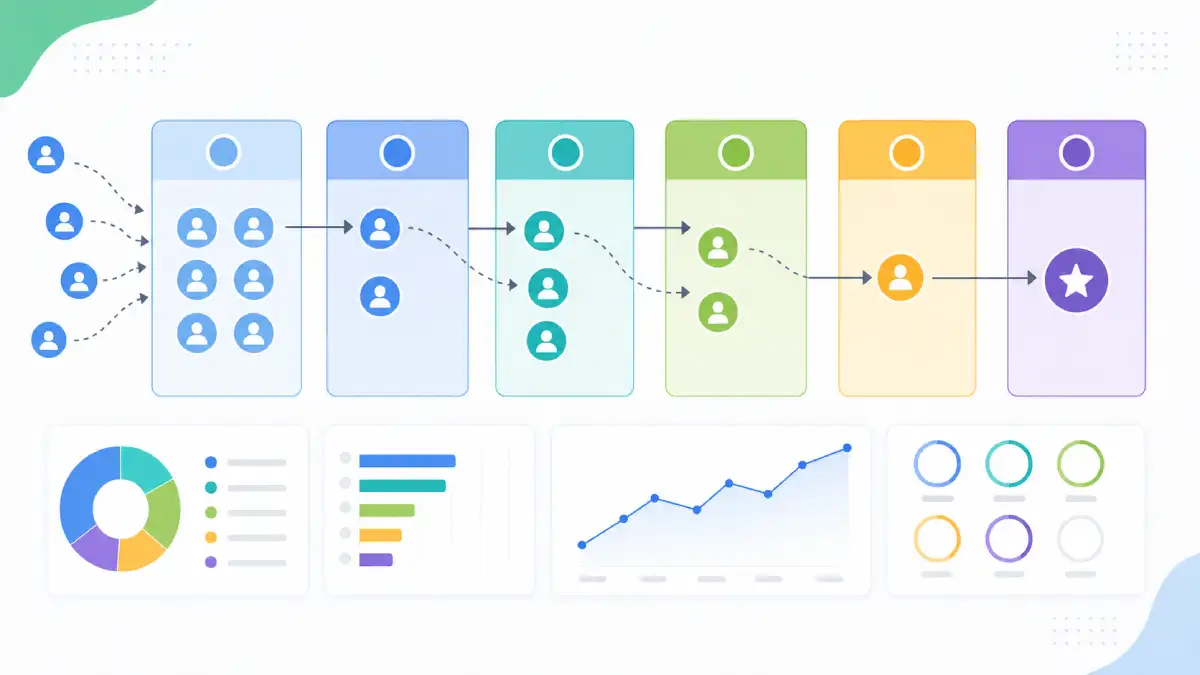
AI sales tools help you focus on the leads that are most likely to convert and keep follow‑ups organised, even when you are busy running the business.
- Bewerten Sie Leads basierend auf Verhalten und Engagement, damit Vertriebsmitarbeiter die heißesten Chancen priorisieren können.
- Erstellen Sie personalisierte Outreach-E-Mails und Follow-up-Erinnerungen aus wenigen Stichpunkten.
- Fassen Sie Verkaufsgespräche und Meetings in klare Notizen und Maßnahmen zusammen, ohne manuell tippen zu müssen.
- Prognostizieren Sie Umsatztrends aus Ihrer bestehenden Pipeline, anstatt sich nur auf Bauchgefühl zu verlassen.
3. Customer Support & Service
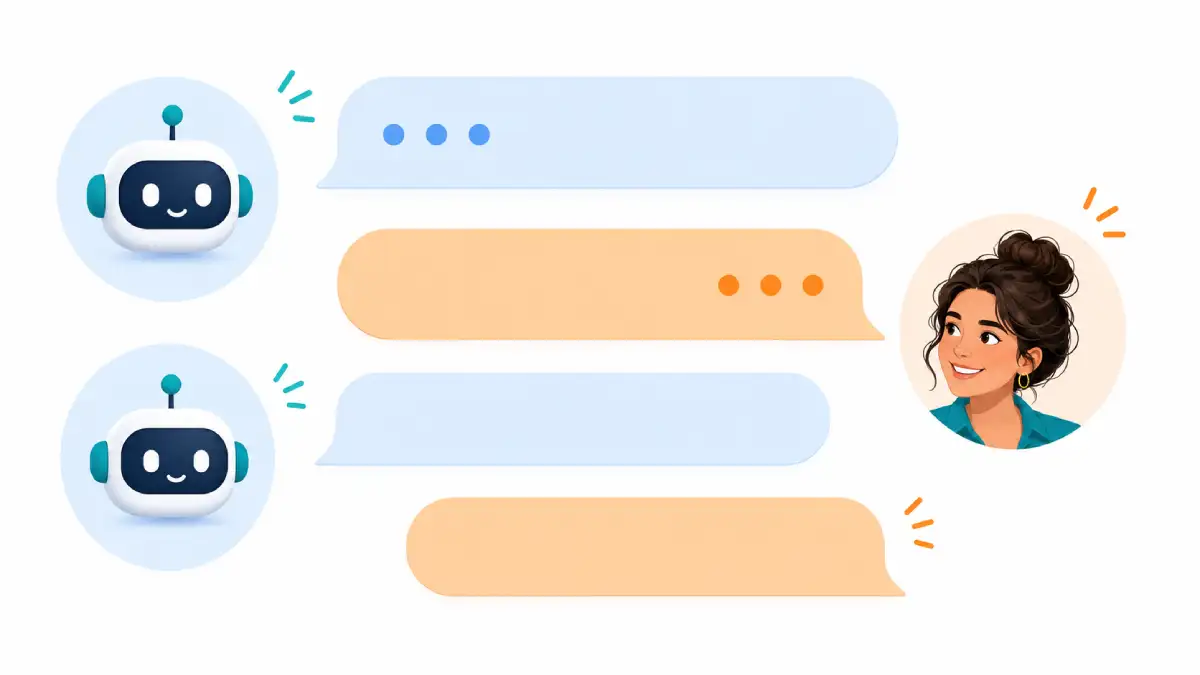
AI does not replace human support, but it can handle routine questions and route more complex issues to the right person much faster.
- Fügen Sie einen Website-Chatbot hinzu, um FAQs zu beantworten, Bestellungen zu verfolgen und neue Leads rund um die Uhr zu erfassen.
- Nutzen Sie KI, um E-Mail-Antworten in Ihrem Helpdesk zu entwerfen, sodass Agenten nur noch überprüfen und personalisieren müssen.
- Markieren und kategorisieren Sie Tickets automatisch nach Thema, Dringlichkeit oder Stimmung.
- Fassen Sie lange Support-Threads oder Anrufaufzeichnungen zusammen, damit Ihr Team die wichtigsten Punkte auf einen Blick sehen kann.
4. Operations, Admin & Finance
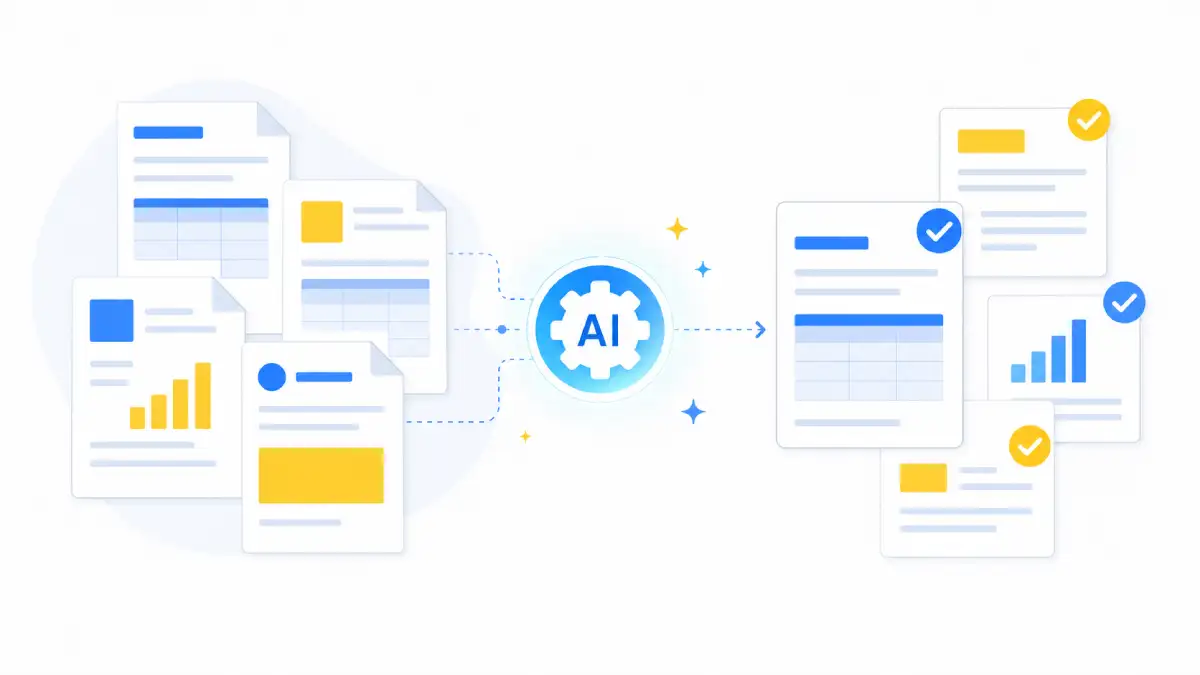
Many small businesses spend a large chunk of time on back‑office tasks. AI tools can handle much of the repetitive work, freeing you to focus on customers and growth.
- Scannen Sie Dokumente und extrahieren Sie wichtige Informationen in Tabellen oder Buchhaltungssoftware. software.
- Erstellen Sie automatisch Rechnungen, Zahlungserinnerungen und Follow-up-E-Mails.
- Fassen Sie lange Verträge, Vorschläge oder Berichte in kurze, lesbare Übersichten zusammen.
- Erstellen Sie einfache Cashflow-Prognosen oder Ausgabenaufstellungen aus historischen Daten.
5. Analytics & Decision‑Making
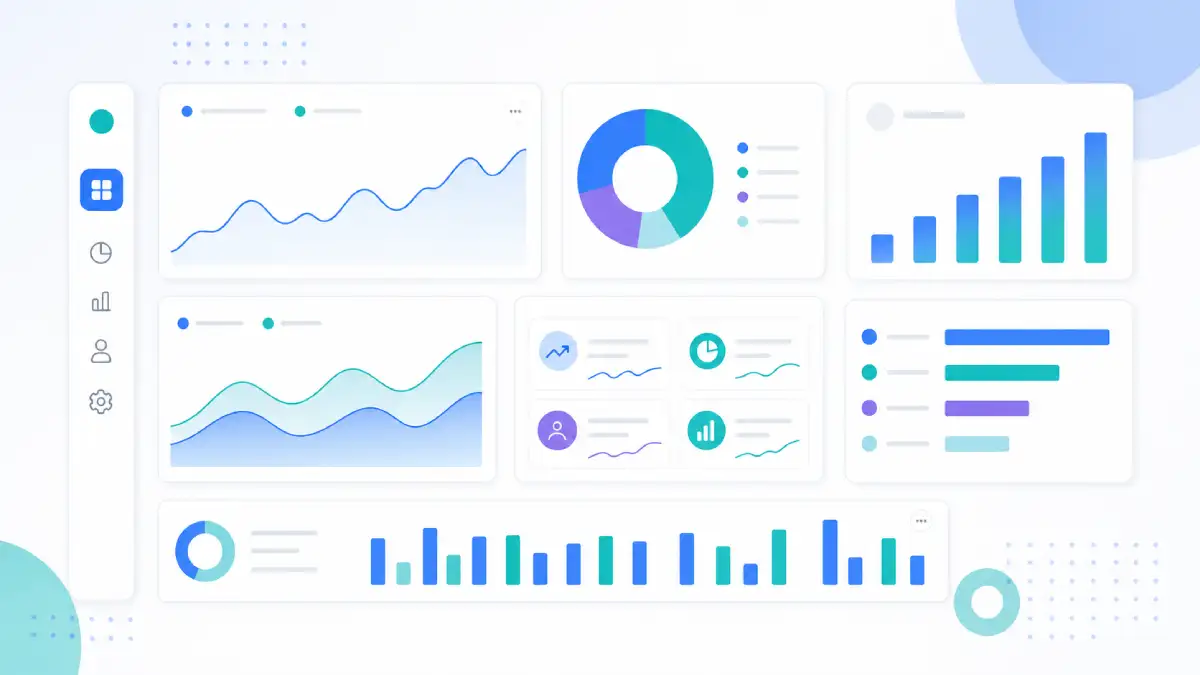
AI‑powered analytics tools can turn raw numbers into simple, human‑readable explanations that support everyday decisions, even if you are not a data expert.
- Stellen Sie Fragen in natürlicher Sprache zu Website-, Verkaufs- oder Kampagnenleistungen, anstatt komplexe Berichte zu erstellen.
- Erkennen Sie ungewöhnliche Spitzen oder Einbrüche bei wichtigen Kennzahlen und erhalten Sie automatische Benachrichtigungen, wenn etwas Aufmerksamkeit erfordert.
- Identifizieren Sie, welche Kanäle, Produkte oder Kundensegmente den meisten Gewinn erzielen.
- Schätzen Sie zukünftige Nachfrageszenarien, um bei Personalplanung, Lagerbestand oder Kapazitätsplanung zu helfen.
6. HR & Internal Productivity
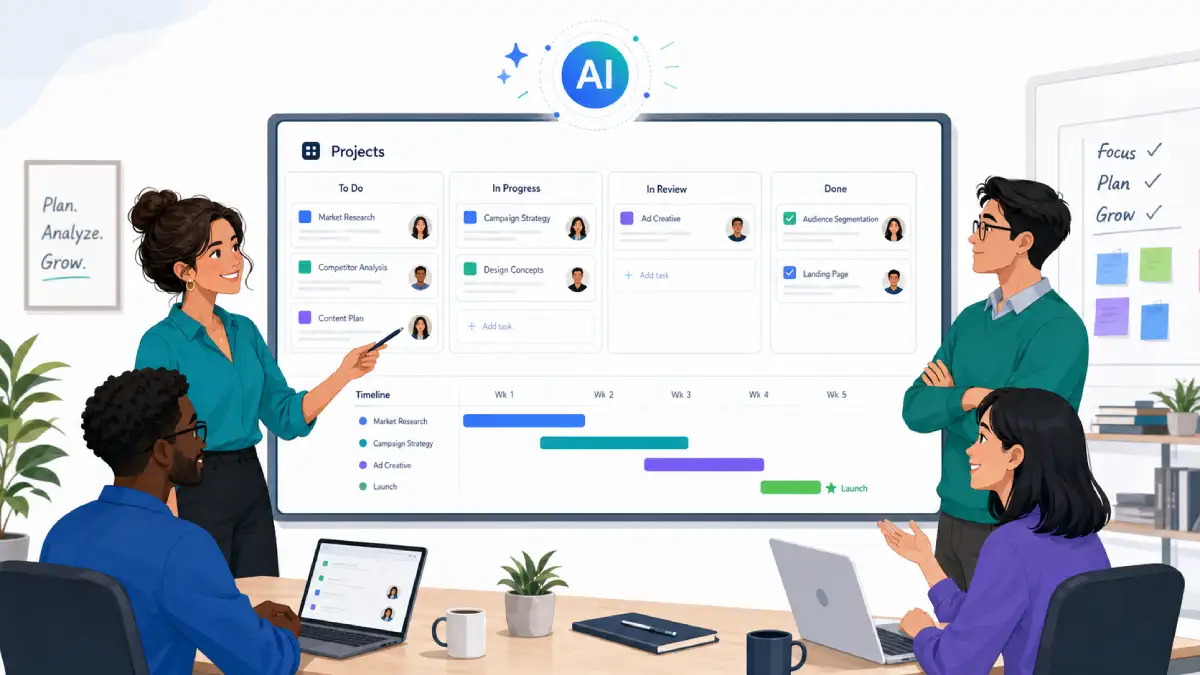
AI can also support the people side of your business by making hiring, onboarding, and internal collaboration smoother.
- Entwerfen Sie Stellenbeschreibungen, Interviewfragen und Kandidatenansprache-Nachrichten.
- Erstellen Sie Onboarding-Checklisten und rollenspezifische Schulungsmaterialien schneller.
- Fassen Sie Meeting-Notizen in klare Handlungsmaßnahmen und Fristen zusammen.
- Erstellen Sie interne Leitfäden und Standardarbeitsanweisungen aus bestehenden Dokumenten.
Choosing AI Tools Safely: Data, Privacy & Compliance
Before introducing any AI tool into your workflow, it is important to understand how it handles your data and what responsibilities you still hold as the business owner.
- Überprüfen Sie die Datenschutzrichtlinie: Look for clear statements about Datenspeicherung, retention, and whether your content is used to train models.
- Überprüfen Sie die Sicherheitsgrundlagen: Ensure the provider uses encryption and offers role‑based access for team accounts.
- Begrenzen Sie sensible Daten: Avoid pasting confidential information, passwords, or personal identifiers into AI tools unless you have strong guarantees.
- Holen Sie sich bei Bedarf Rat: For regulated industries, speak with a legal or compliance professional before rolling out AI widely.
AI tools should support your existing responsibilities around Datenschutz, not weaken them. When in doubt, start with low‑risk use cases like marketing drafts rather than sensitive customer records.
Einfacher Fahrplan, um KI in Ihrem Unternehmen zu nutzen
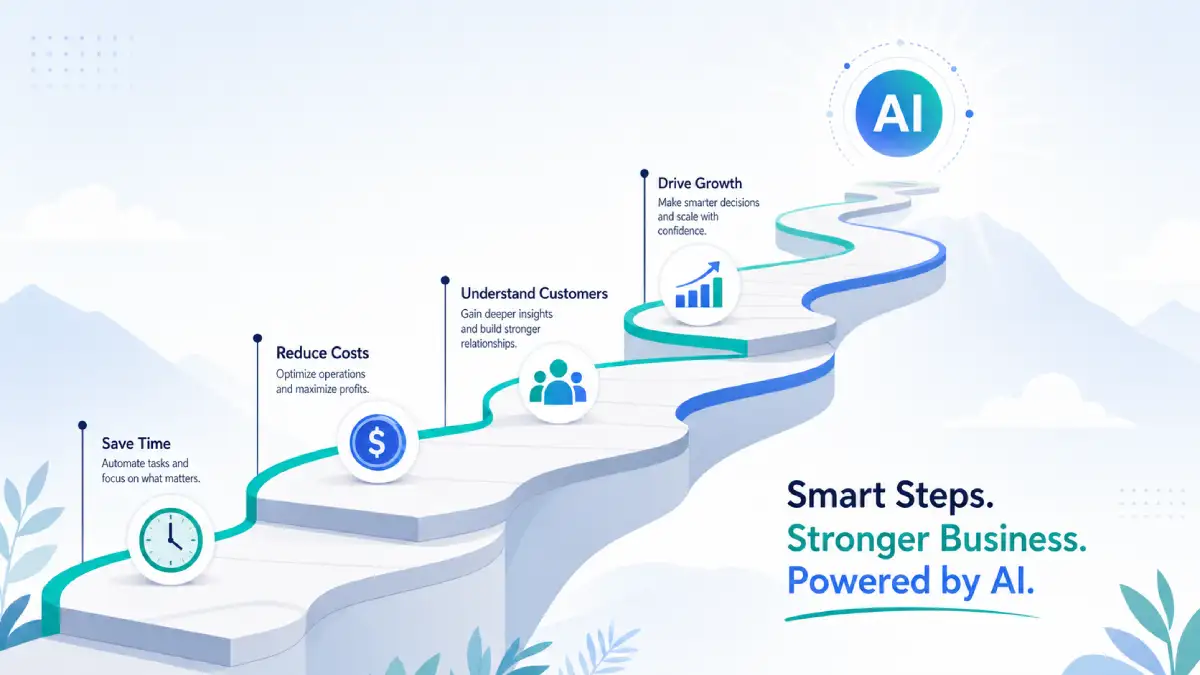
You do not need a complex transformation programme to benefit from AI. A focused, step‑by‑step approach is more practical for most small teams.
- Wählen Sie einen einfachen Anwendungsfall: Zum Beispiel Social-Media-Beschreibungen, Entwürfe für Blogbeiträge oder FAQs im Support.
- Testen Sie 1–2 Tools: Probieren Sie ein paar Optionen aus und sehen Sie, welche am besten zu Ihrem Arbeitsablauf und Ihrem Komfortniveau passt.
- Behalten Sie die menschliche Überprüfung bei: Überprüfen Sie die KI-Ausgaben immer, bevor sie an Kunden gelangen, besonders zu Beginn.
- Messen Sie die Wirkung: Verfolgen Sie eingesparte Zeit, Antwortzeiten oder Kampagnenleistung für einige Wochen.
- Dokumentieren Sie den Prozess: Sobald ein Arbeitsablauf funktioniert, machen Sie daraus eine einfache interne Richtlinie.
- Dann erweitern: Erst nachdem du klare Vorteile siehst, solltest du weitere Anwendungsfälle oder Tools hinzufügen.
Häufige KI-Fehler, die kleine Unternehmen vermeiden sollten
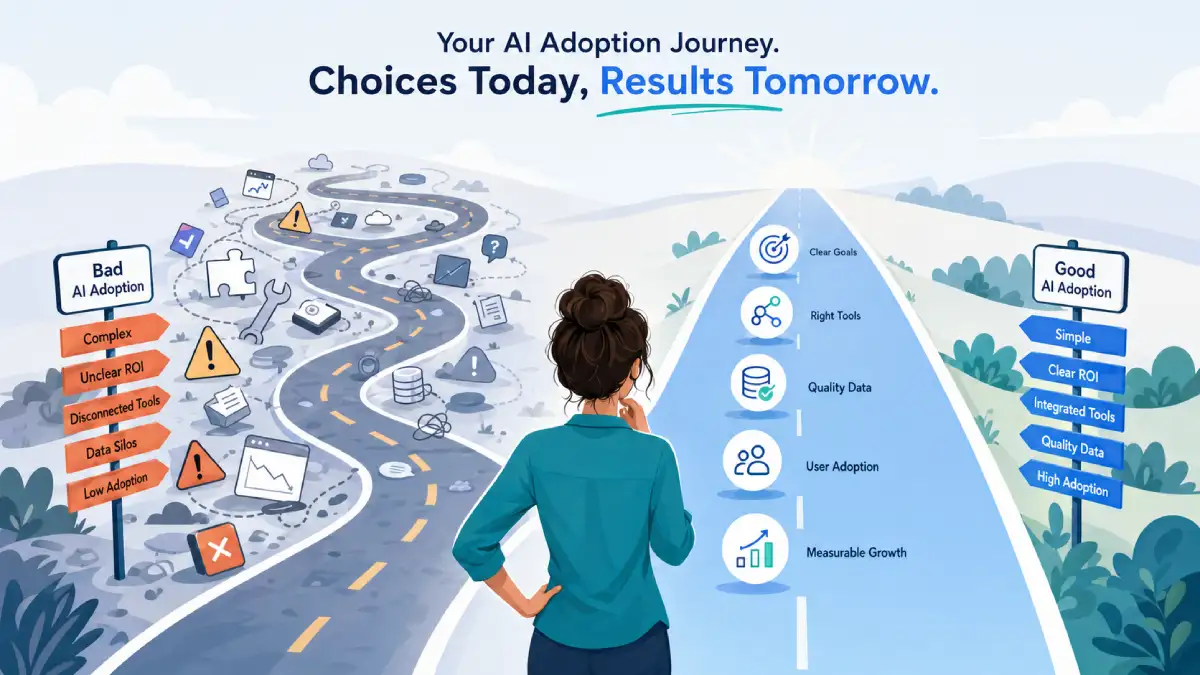
AI can deliver real benefits, but only when it is applied thoughtfully. These are some of the most common traps small businesses fall into when they rush adoption.
- Tools kaufen, bevor du Probleme definierst: Beginne mit dem Prozess, den du verbessern möchtest, und wähle dann das Tool aus.
- Versuch, alles auf einmal zu automatisieren: Focus on one or two high‑value areas instead of touching every part of the business.
- Das Team ignorieren: Involve staff early, explain the goals, and show how AI supports rather than replaces them.
- Überspringen der Qualitätskontrolle: Veröffentliche nur, was ein Mensch überprüft hat, insbesondere bei kundenorientierten Inhalten.
- Ergebnisse nicht verfolgen: If you do not measure impact, it is hard to know which tools are worth paying for.
Nächste Schritte: Finden Sie die richtigen KI-Tools für Ihr Unternehmen
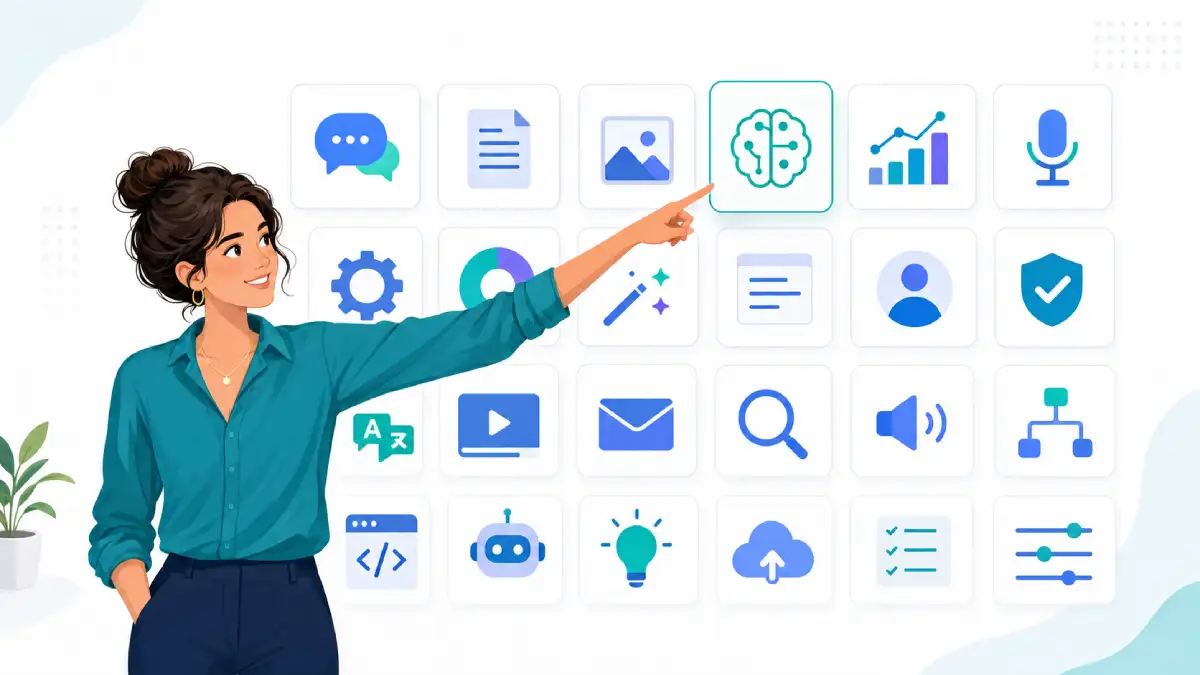
The best place to start is with one or two realistic use cases that match your current bottlenecks: repetitive questions, slow content production, manual reporting, or admin tasks that drain your time.
From there, explore AI tools by category and compare options side by side. Look for a good balance between ease of use, data protection, and pricing, and always run a short pilot before rolling anything out across your whole team.
Browse AI tools for marketing , sales, customer service , operations, and more in our directory, and shortlist a small stack that supports the way your business already works.